France Completes CFAF 1.3 Billion Start-up 237 Programme Supporting 100 Cameroonian Businesses
A Three-Year Programme Comes to an End
France has completed a €2 million programme, equivalent to approximately CFAF 1.3 billion, that supported 100 Cameroonian businesses through financial assistance, equipment, training and mentorship.
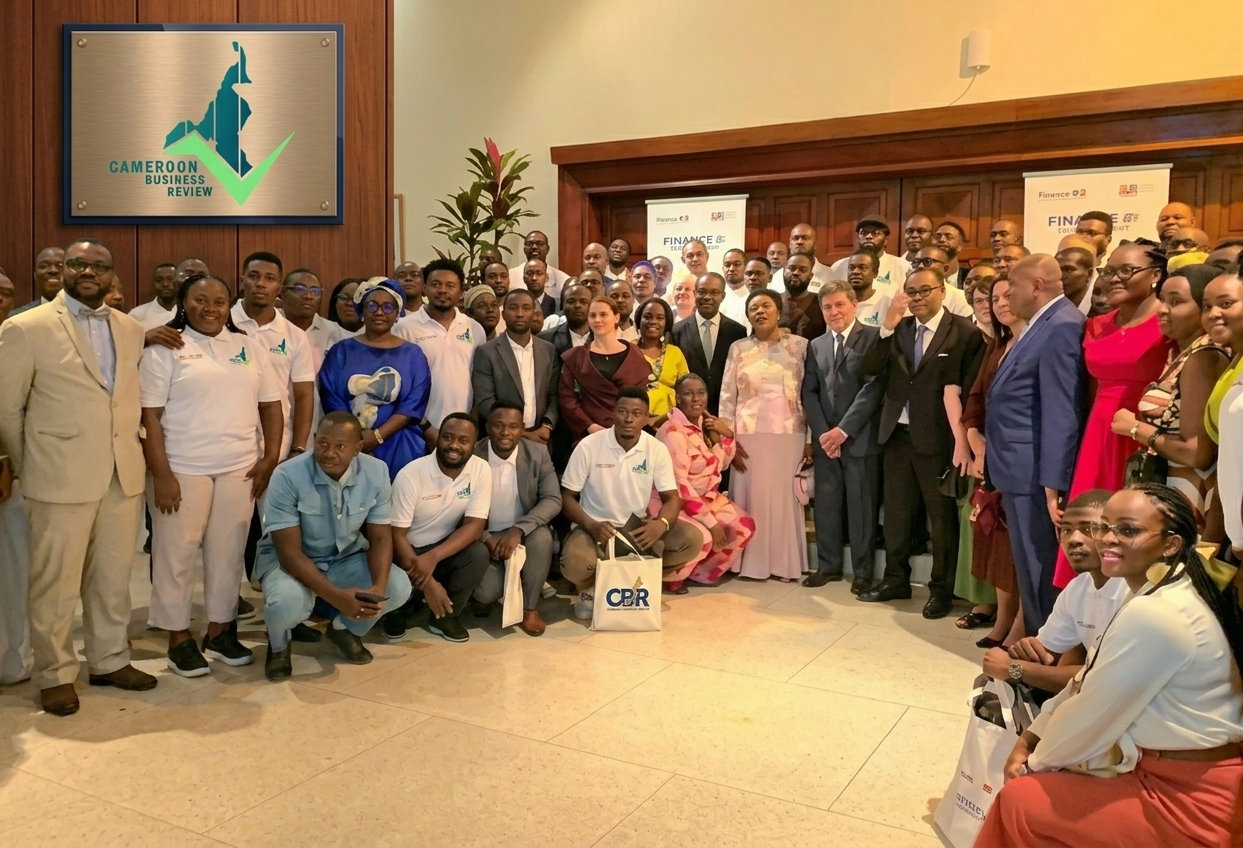
The initiative, known as Start-up 237: 100 Projects Made in Cameroon, officially concluded on October 13, 2026, following three years of support for young entrepreneurs and businesses, according to reporting by Business in Cameroon and EcoMatin. The programme was financed through France’s Fonds Équipe France and implemented by the Agence Universitaire de la Francophonie (AUF).
The beneficiaries comprised 50 university-based startups and 50 businesses from the private sector. Their activities covered areas including agri-food processing, digital services and cultural and creative industries.
For Cameroon’s business community, the programme offers a useful look at the types of support that can help small businesses move beyond the early stages of operation. It also brings attention to a persistent challenge: how entrepreneurs can sustain growth when external assistance comes to an end.
What the CFAF 1.3 Billion Programme Delivered
Start-up 237 combined financial and material assistance with business coaching and incubation support. Rather than focusing exclusively on grants, the programme also sought to strengthen entrepreneurs’ technical skills, business organisation and access to professional networks.
Figures presented at the closing ceremony included:
100 businesses supported, split between university-based ventures and private-sector enterprises.
46 mentors involved in supporting entrepreneurs.
Around 3,000 coaching sessions delivered during the programme.
24 entrepreneurship training modules developed.
20 incubators brought together as part of the programme’s support structure, according to figures reported by Business in Cameroon.
The programme also provided equipment intended to help businesses improve their operations. Depending on the nature of an enterprise, this type of assistance can make a practical difference: a food processor may need production and packaging machinery, while a digital business may require computers and other working equipment.
The support was therefore aimed at more than helping entrepreneurs launch ideas. It was also intended to give existing ventures better conditions in which to operate and develop their products or services.
How Equipment and Mentorship Can Help Businesses Grow
Access to finance is often only one part of the problem facing a small business. An entrepreneur may have customers and a viable product but lack the equipment needed to fulfil larger orders. Another may have the technical ability to run a business but need guidance on pricing, financial management, customer acquisition or expansion.
Start-up 237 sought to address several of these needs together.
One beneficiary highlighted in reporting on the programme is Katika Web3, a Cameroonian digital financial services venture led by Ricardo Konlack. The company received equipment and financial support and participated in business events, including Promote 2026.
According to figures shared by its promoter and reported by EcoMatin, the company gained more than 400 additional users through its participation in Promote 2026. It reported more than 1,350 users, US$600,000 in transactions and monthly revenue of approximately US$3,000. These are company-reported figures, not independently verified financial results.
The example illustrates why access to networks can matter alongside funding. A business may need visibility, new customers and commercial partnerships to turn improved capacity into revenue.
Other beneficiaries worked outside the technology sector. The Association of Young People and Women of Mora received equipment to support its sewing, embroidery and leatherworking activities. In Bafoussam, Sustainable Building Company and Local Materials Solutions Providers, a producer of earth bricks, reported that its average monthly production rose from 10,000 to 18,000 units following equipment support.
These businesses operate in different markets, but their needs overlap: productive equipment, customers, skilled workers and enough working capital to keep operations running.
Financing Is Not the Only Challenge for Cameroonian Entrepreneurs
The completion of Start-up 237 does not mean that the businesses involved have reached financial independence or are ready to expand without further support.
An AUF assessment conducted in September and October 2025 found improvements in business organisation and production capacity among beneficiaries. Some enterprises were moving towards semi-industrial production. However, the assessment also identified difficulties in obtaining production inputs, accessing formal markets, sourcing equipment locally and securing additional finance for expansion.
These challenges matter because higher production capacity does not automatically translate into higher sales or profits.
A manufacturer with new machinery still needs sufficient orders to justify its operating costs. A food-processing business needs dependable access to raw materials and customers who can pay for its products. A digital startup must retain users and generate revenue beyond the initial period of support.
For entrepreneurs, the next stage involves turning the resources they have acquired into sustainable business activity. That means tracking revenue and expenses, maintaining equipment, building customer relationships and identifying financing that matches their actual growth needs.
For policymakers and development partners, the programme also raises a broader question about what happens after a funded initiative ends. Business support is more likely to have lasting value when entrepreneurs retain access to mentorship, commercial networks, markets and suitable sources of finance.
What the Programme Means for Cameroon’s Startup Ecosystem
Start-up 237 brought together university-based ventures and private businesses, linking entrepreneurship with higher education, incubation and the private sector.
That connection matters in Cameroon, where students and recent graduates may have technical knowledge or promising business ideas but limited access to equipment, customers and the professional networks needed to commercialise them.
University incubators can help bridge part of that gap by providing guidance, business development support and connections to industry. Private-sector businesses, meanwhile, may need assistance that focuses less on developing an idea and more on increasing output, reaching new markets or formalising their operations.
The programme’s range of beneficiaries also demonstrates that entrepreneurship support does not need to focus exclusively on technology startups. Businesses in food processing, construction materials, creative industries and digital services can all contribute to local value creation and employment.
For entrepreneurs who were not part of Start-up 237, the experience offers a practical lesson: a business case is stronger when it identifies a clear market, explains how the proposed support will be used and shows how the enterprise intends to generate income.
Equipment and training are useful, but their value ultimately depends on whether a business can convert them into products customers want and services customers are willing to pay for.
Other Funding Initiatives Are Emerging
The end of Start-up 237 comes as Cameroon continues to pursue other programmes aimed at young entrepreneurs and innovative businesses.
In September 2026, the government launched a CFAF 5.5 billion financing programme targeting 1,000 young entrepreneurs across six cities through the second cycle of the Business Plan Competition. In August, the Small and Medium-sized Enterprise Promotion Agency allocated CFAF 70 million to 35 innovation projects to support prototype development and commercialisation, according to Business in Cameroon.
These initiatives differ in their target groups and forms of assistance, but they reflect continuing efforts to address the resource constraints facing young businesses.
The challenge is to ensure that funding reaches viable projects and that support extends beyond the initial award. Entrepreneurs need clear information about eligibility, application requirements, financing conditions and any obligations attached to the assistance they receive.
Businesses also need to assess whether a funding opportunity suits their stage of development. A startup still testing a product may require different support from an established small business looking to purchase machinery or enter a new market.
For Cameroon’s wider economy, the effectiveness of these programmes will be judged not only by the money allocated or the number of beneficiaries selected, but also by business survival, revenue growth, productive capacity and jobs sustained or created.
Final Thoughts
France’s completion of the CFAF 1.3 billion Start-up 237 programme marks the end of a three-year support initiative for 100 Cameroonian businesses. The reported results point to improvements in equipment, skills and business capacity, while the remaining challenges show how much work is still required to help small enterprises grow.
For entrepreneurs, the next priority is to turn that support into steady sales, stronger operations and lasting customer relationships. For investors and financial institutions, the opportunity lies in identifying businesses that have demonstrated demand and are ready for their next stage of growth.
The programme’s longer-term significance will become clearer as the beneficiary businesses continue operating beyond the funding period. Their ability to secure markets, attract further investment and create sustainable employment will provide a more meaningful measure of success than the amount spent alone.