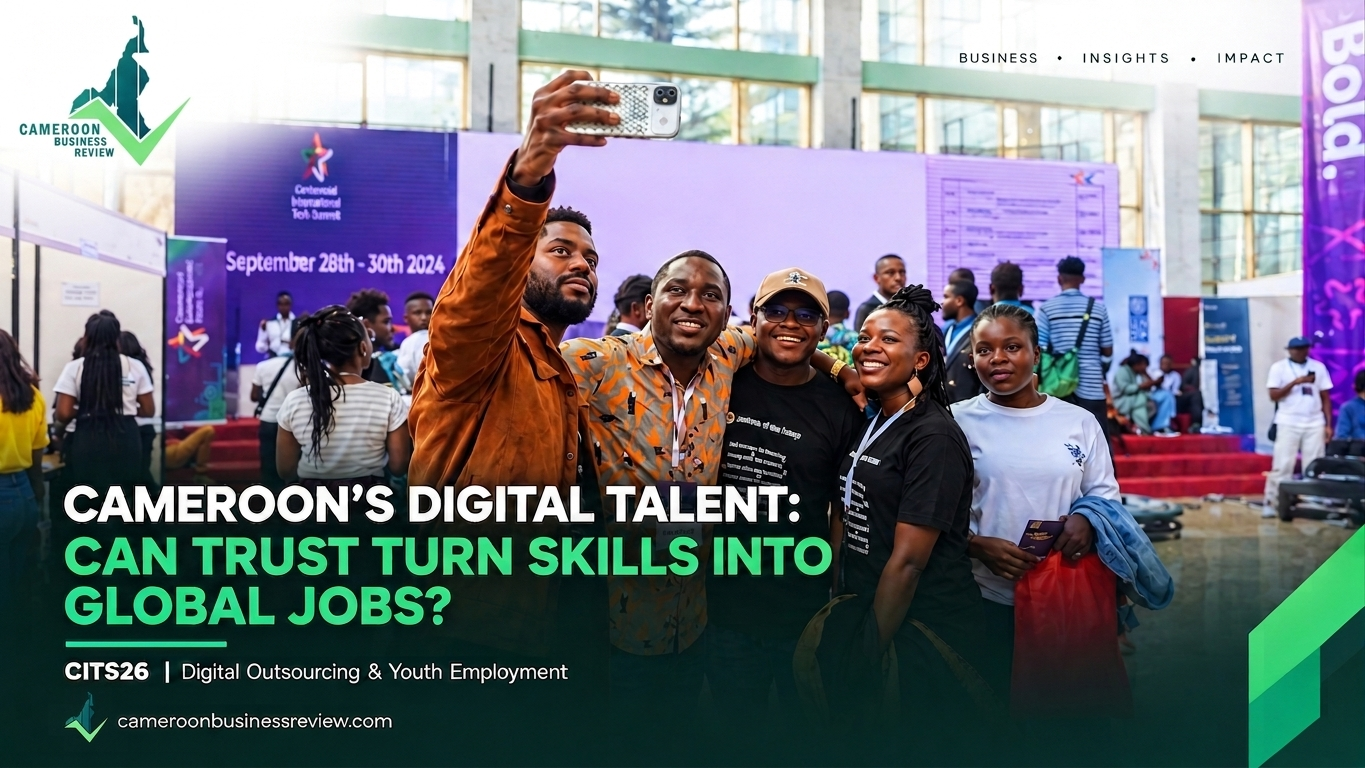

Cameroon’s Startup Ecosystem in 2026: Innovation, Investment and the Next Wave of Business Growth
Across Africa, startups are reshaping industries, introducing innovative solutions, and attracting increasing levels of investment. While countries such as Nigeria, Kenya, Egypt, and South Africa often dominate discussions about the continent’s technology ecosystem, Cameroon is steadily building a reputation as an emerging destination for entrepreneurship and innovation.
Driven by a youthful population, growing internet penetration, improved digital infrastructure, and expanding access to technology, the country is witnessing the rise of a new generation of entrepreneurs solving local challenges through innovative business models. From financial technology and e-commerce to agritech, health technology, logistics, education, and artificial intelligence, Cameroonian startups are demonstrating that innovation can become a significant driver of economic transformation.
Although the ecosystem remains relatively young compared to more mature African startup markets, encouraging developments in investment, incubation, policy support, and digital adoption suggest that Cameroon is entering an important stage of entrepreneurial growth. For investors, business leaders, and aspiring founders, understanding this evolving landscape presents valuable opportunities to participate in one of Central Africa's most promising innovation ecosystems.
The Evolution of Entrepreneurship in Cameroon
Entrepreneurship has always been an important part of Cameroon's economy. Traditionally, much of this activity was concentrated in small family-owned businesses, retail trade, agriculture, and informal commerce.
Over the past decade, however, entrepreneurship has begun to evolve.
Several factors have contributed to this transformation:
Increased access to smartphones
Improved internet connectivity
Expansion of digital financial services
Growth of technology education
Rising youth entrepreneurship
Greater awareness of innovation and startups
Increased regional and international collaboration
Young entrepreneurs are increasingly building businesses designed not only to serve local markets but also to scale across Central Africa and beyond.
Technology Is Creating New Business Models
Technology has lowered the barriers to starting and growing a business.
Today, entrepreneurs can launch digital products and services with significantly lower capital requirements than traditional businesses.
Some of the fastest-growing startup sectors include:
Financial technology (Fintech)
Agricultural technology (Agritech)
Health technology (HealthTech)
Education technology (EdTech)
E-commerce
Logistics technology
Digital marketing
Software development
Artificial intelligence solutions
Rather than competing solely on price, many startups are focusing on solving practical problems through innovation, automation, and improved customer experiences.
Fintech Continues to Lead Innovation
Financial technology remains one of the most dynamic segments of Cameroon's startup ecosystem.
Growing adoption of digital payments and mobile money has created opportunities for entrepreneurs developing solutions such as:
Payment platforms
Digital wallets
Business payment systems
Financial management software
Online lending platforms
Savings applications
Digital bookkeeping tools
As businesses continue embracing digital transactions, demand for innovative financial services is expected to grow.
Collaboration between fintech companies, commercial banks, and telecommunications providers is also strengthening the broader financial ecosystem.
Agritech Is Modernising Agriculture
Agriculture remains one of Cameroon’s largest economic sectors, making agritech an increasingly attractive area for innovation.
Startups are developing solutions that help farmers improve productivity through:
Digital marketplaces
Farm management applications
Weather forecasting tools
Supply chain platforms
Smart irrigation technologies
Precision farming
Digital financing solutions
By connecting farmers to markets, financial services, and information, agritech startups are helping improve agricultural efficiency while supporting rural economic development.
The Rise of Innovation Hubs
Innovation hubs, incubators, and entrepreneurship centres have become important components of Cameroon’s startup ecosystem.
These organisations provide entrepreneurs with access to:
Business mentorship
Technical training
Networking opportunities
Workspace
Investor connections
Product development support
Business acceleration programmes
Such institutions are helping transform innovative ideas into commercially viable businesses while strengthening entrepreneurial capacity.
As the ecosystem matures, collaboration between universities, private companies, development organisations, and investors is becoming increasingly important.
Access to Funding Is Improving
Access to finance remains one of the greatest challenges facing startups.
Unlike established businesses, startups often have limited financial histories, making traditional lending more difficult.
Nevertheless, the funding landscape is gradually expanding.
Entrepreneurs are increasingly accessing capital through:
Angel investors
Venture capital firms
Startup competitions
Innovation grants
Business accelerators
Development finance programmes
Strategic partnerships
Although investment activity remains below levels seen in Africa’s larger startup ecosystems, growing investor interest suggests positive momentum.
Founders who combine innovation with strong business fundamentals are increasingly attracting attention from both local and international investors.
Digital Skills Are Becoming a Competitive Advantage
The success of startups increasingly depends on access to skilled talent.
Demand continues to grow for expertise in:
Software engineering
Artificial intelligence
Cybersecurity
Data analytics
Digital marketing
Product management
User experience design
Cloud computing
Universities, technology academies, coding bootcamps, and professional training programmes are contributing to the development of a more competitive digital workforce.
Investing in digital skills will remain essential for sustaining innovation and supporting business growth.
Challenges Facing the Startup Ecosystem
Despite encouraging progress, entrepreneurs continue to face several obstacles.
Key challenges include:
Limited access to early-stage financing
Regulatory complexity
Infrastructure constraints
Digital connectivity gaps
Talent shortages in specialised fields
Limited access to international markets
Business scalability challenges
Addressing these barriers will require stronger collaboration between policymakers, investors, educational institutions, and private sector stakeholders.
Continued reforms aimed at improving the ease of doing business will also support entrepreneurial development.
Opportunities for Investors
Cameroon’s startup ecosystem presents attractive opportunities across multiple sectors.
Areas expected to attract increasing investment include:
Financial Technology
Digital financial services continue expanding alongside mobile money adoption and financial inclusion.
Agritech
Technology-driven agriculture offers opportunities to improve productivity, market access, and sustainability.
Health Technology
Digital healthcare platforms are improving access to medical services and health information.
E-commerce
Online retail continues expanding as internet penetration and digital payment adoption increase.
Enterprise Software
Businesses are increasingly adopting digital solutions for accounting, logistics, human resources, and customer relationship management.
Artificial Intelligence
AI applications supporting agriculture, financial services, education, and business automation are expected to become increasingly important over the coming years.
Looking Ahead
Cameroon’s startup ecosystem is entering an important phase of development.
Future growth is likely to be influenced by:
Greater private sector investment
Improved digital infrastructure
Expansion of innovation hubs
Increased venture capital activity
Stronger regional market integration
Digital government initiatives
Improved access to entrepreneurial education
As these trends continue, startups will play an increasingly important role in job creation, economic diversification, and technological advancement.
Final Thoughts
Cameroon's startup ecosystem is steadily evolving into one of the country's most promising engines of economic growth. While challenges relating to funding, infrastructure, and regulation remain, the increasing pace of innovation demonstrates the resilience and creativity of Cameroon's entrepreneurs. From fintech and agritech to artificial intelligence and enterprise software, startups are developing practical solutions that address local challenges while creating opportunities for regional expansion.
The ecosystem's long-term success will depend on continued investment in digital infrastructure, access to capital, entrepreneurship education, and supportive public policies. As collaboration between government, investors, universities, development partners, and the private sector deepens, Cameroon is well positioned to strengthen its role as an emerging innovation hub within Central Africa. For businesses and investors looking beyond traditional sectors, the country's startup ecosystem represents a compelling space where technology, entrepreneurship, and economic development increasingly intersect.