UNDP Joins CITS26 as Official Partner: What Cameroon’s Youth and Startups Should Watch
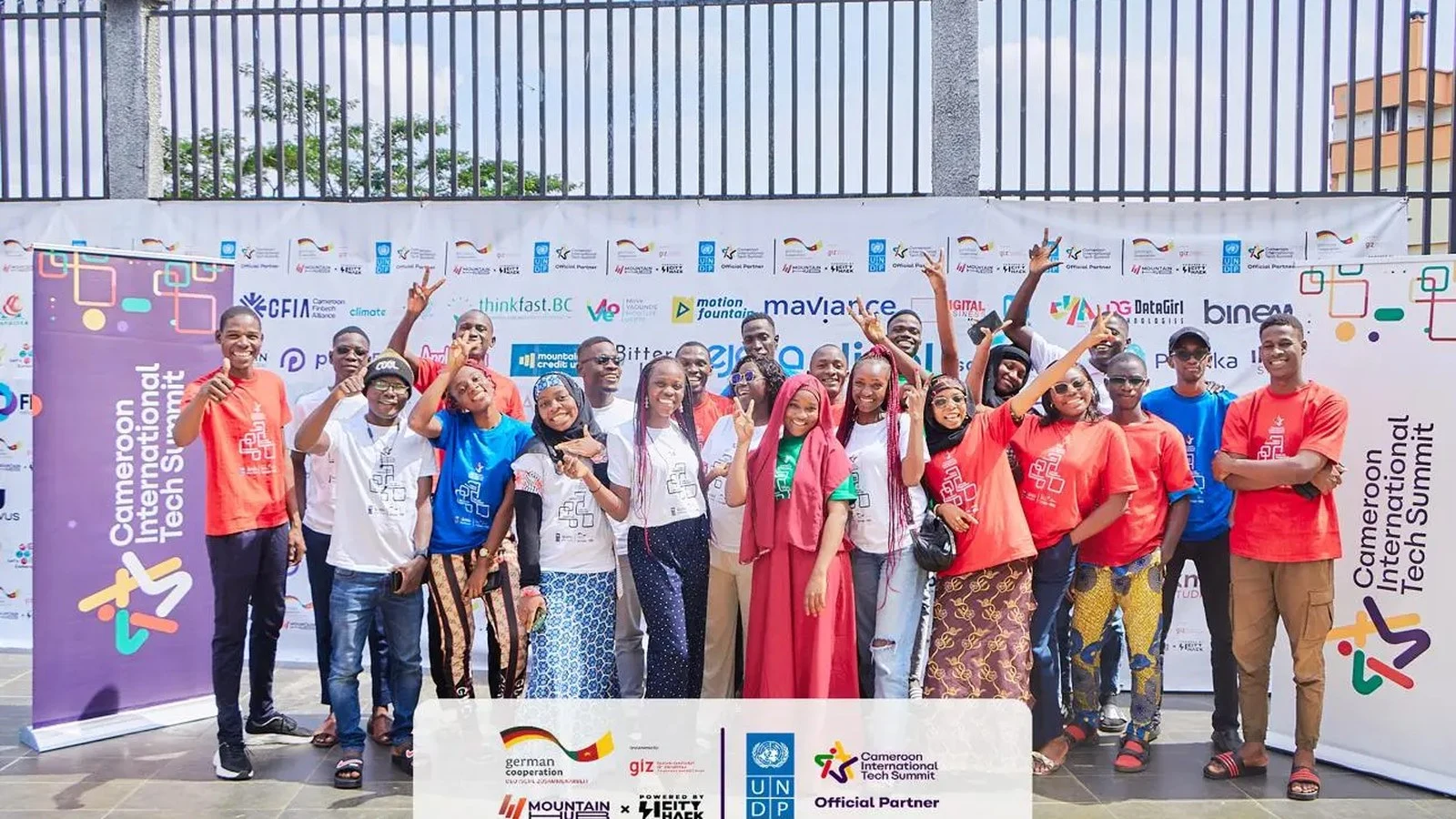
The United Nations Development Programme (UNDP) is officially partnering with the Cameroon International Tech Summit (CITS26), putting one of the country’s biggest technology and entrepreneurship gatherings at the intersection of youth development, innovation and economic growth.
UNDP Cameroon’s Deputy Resident Representative, Martin Hart-Hansen, is set to take part in CITS26, reinforcing the development institution’s involvement in conversations around technology, entrepreneurship and Cameroon’s digital future.
CITS26 will take place from October 15 to 17, 2026, at the Palais des Congrès in Yaoundé. The summit is designed to bring together startups, investors, entrepreneurs, policymakers, development partners, technology professionals and young people.
For Cameroon’s emerging businesses, however, the importance of the event goes beyond the speaker list.
It is a chance to get in front of people who can help turn an idea into a business.
Why the UNDP partnership matters
UNDP has already been involved in efforts to strengthen Cameroon’s digital and innovation ecosystem.
Its work has included support for youth entrepreneurship, digital skills development, innovation competitions and programmes aimed at helping young people turn ideas into practical solutions. In 2024, UNDP described its involvement in the CITS journey as a way to strengthen collaboration across Cameroon’s innovation ecosystem and give young people greater access to resources, partnerships and opportunities.
That work has continued beyond technology events.
In 2025, for example, UNDP highlighted a programme in Buea and Bamenda that had trained more than 500 young people in digital literacy, frontier technologies, innovation and entrepreneurship. The initiative included coding, robotics, artificial intelligence, cybersecurity, 3D printing and design thinking.
UNDP has also supported programmes targeting young entrepreneurs and startups in areas including agro-industry, the green economy and digital innovation.
The CITS26 partnership therefore fits into a wider effort to connect technology with practical economic opportunities.
CITS26 is more than a conference
The structure of CITS26 is particularly relevant to founders and young professionals.
The summit combines a national innovation bootcamp, conference sessions, a startup village, career activities, policy discussions, investor matchmaking and business networking. Its stated priorities include youth skills and jobs, startups and investment, digital services, and sustainability and climate technology.
That creates several opportunities for people at different stages of their careers.
For startups: come prepared to pitch
Startups attending CITS26 should not approach the summit simply as another networking event.
The programme includes pitching, mentorship, investor meetings, masterclasses and the startup village. CITS26 is also hosting the Cameroon regional final of the Startup World Cup, with 10 finalists expected to pitch for a place at the global competition in San Francisco.
For founders, that means visibility can become useful only if the business is ready for scrutiny.
A startup attending should be able to explain:
What problem does the company solve?
Who is already paying for the solution?
What evidence shows that customers want it?
How does the business make money?
What makes the product difficult to copy?
What does the company need to grow?
What would additional funding actually be used for?
Those questions matter more than having an impressive presentation.
The Startup World Cup criteria itself point to traction, growth potential, technology and differentiation, team strength, impact and ambition.
For early-stage founders, even without entering a competition, the same questions can help sharpen a business before approaching investors or partners.
Young people should not wait until they have a startup
CITS26 is also relevant to young Cameroonians who are still figuring out their career direction.
The summit includes a career fair, employer-student matching, career coaching and digital skills activities.
That matters in an economy where digital skills are becoming increasingly important across sectors.
A young person does not necessarily need to be building an app to benefit from the digital economy. Opportunities exist in areas such as data, artificial intelligence, cybersecurity, software development, digital marketing, design, business analysis, product management, content, e-commerce and digital services.
The challenge is demonstrating what you can actually do.
For students and recent graduates attending CITS26, a CV alone may not be enough. A portfolio, GitHub profile, product prototype, research project, design work, campaign results or other evidence of practical skills can make conversations with employers much more useful.
There is also an opportunity for investors and businesses
The other side of the CITS26 equation is capital and partnerships.
Cameroon has a growing pool of young entrepreneurs building businesses around problems in agriculture, finance, healthcare, logistics, education, energy and other sectors.
But many startups still face familiar obstacles: access to finance, market access, technical capacity, visibility and connections to larger businesses.
CITS26 is designed to bring some of these actors into the same space.
The summit's B2B and Executive Lounges are intended for structured matchmaking around partnerships, procurement and business deals, while investor-focused activities create opportunities for founders and capital providers to meet.
For established companies, this can also be useful.
Startups can provide technology, specialised services and new approaches to problems that larger businesses may not have the capacity or speed to solve internally.
That makes the startup ecosystem relevant not only to venture capital but also to corporate partnerships, outsourcing and procurement.
The policy conversation matters too
Technology businesses do not operate separately from government policy.
Issues such as digital identity, fintech regulation, artificial intelligence governance, public procurement and the implementation of the African Continental Free Trade Area can directly affect how digital businesses operate and scale.
CITS26's policy discussions are therefore important for founders as well as policymakers.
A startup founder who understands regulation has an advantage over one who only understands the technology.
The same applies to young professionals. Understanding how policy decisions affect markets, businesses and consumers is increasingly part of working in the digital economy.
This is one area where CITS26 can serve a role beyond networking: it puts entrepreneurs, policymakers, development institutions and investors in the same conversation.
Cameroon needs more connections between talent and opportunity
UNDP's experience in Cameroon shows why these connections matter.
Its YouthConnekt initiative previously supported more than 10,000 youth-owned initiatives, while connecting young entrepreneurs with investors, businesses and other ecosystem actors. UNDP reported that the programme helped create more than 9,000 jobs and strengthened the technical and logistical capacity of more than 3,000 entrepreneurs.
More recently, UNDP has continued supporting programmes designed to help young people develop practical technology and entrepreneurship skills.
The challenge now is moving from training and events to businesses that survive, employ people and expand beyond their first market.
That requires founders to find customers, investors to find credible businesses, companies to buy from local innovators, and young professionals to find pathways into productive work.
Platforms such as CITS26 can help create those connections, but the people attending still have to make something of them.
What startups and young people should do before October 15
For anyone planning to attend CITS26, preparation should start before arriving at the Palais des Congrès.
Founders should prepare a clear pitch. Know your numbers, customers, business model and funding needs.
Young professionals should prepare their portfolio. Bring evidence of your skills, not just a list of them.
Students should identify the people they want to meet. Research companies, investors, founders and organisations participating in the summit before the event.
Investors and businesses should look beyond the biggest names. Some of the most interesting opportunities may come from smaller companies solving very specific local problems.
And everyone should approach networking with a clear purpose.
Collecting 50 contacts is less valuable than having three serious conversations that lead somewhere.
An opportunity worth taking seriously
UNDP's official partnership gives CITS26 another connection to the development community, but the larger story is what happens when development institutions, government, private companies, investors and young innovators are able to work in the same ecosystem.
For Cameroon, the digital economy will not be built by policymakers alone. It will also depend on founders building companies, young people acquiring useful skills, investors backing businesses with evidence, and established companies creating room for local technology providers.
That is where CITS26 could matter.
For a young person with an idea, a startup looking for its next investor, or a business searching for technology and talent, October 15–17 is an opportunity to get in the room and see what comes out of it.
Final Thoughts
CITS26 is bringing together many of the people who will influence Cameroon’s technology and business ecosystem over the coming years.
The UNDP partnership adds weight to the summit's focus on youth, innovation and sustainable development. But the real value will be measured by what happens after the conversations: the partnerships signed, businesses funded, products improved, jobs created and ideas taken from the room into the market.
For Cameroon’s startups and young professionals, that makes CITS26 worth more than a ticket. It is a chance to show what they are building, find the people who can help them grow and take part in the conversation about where the country's digital economy goes next.