Dangote Refinery IPO Draws Attention as Peter Obi Urges Nigerians to Invest
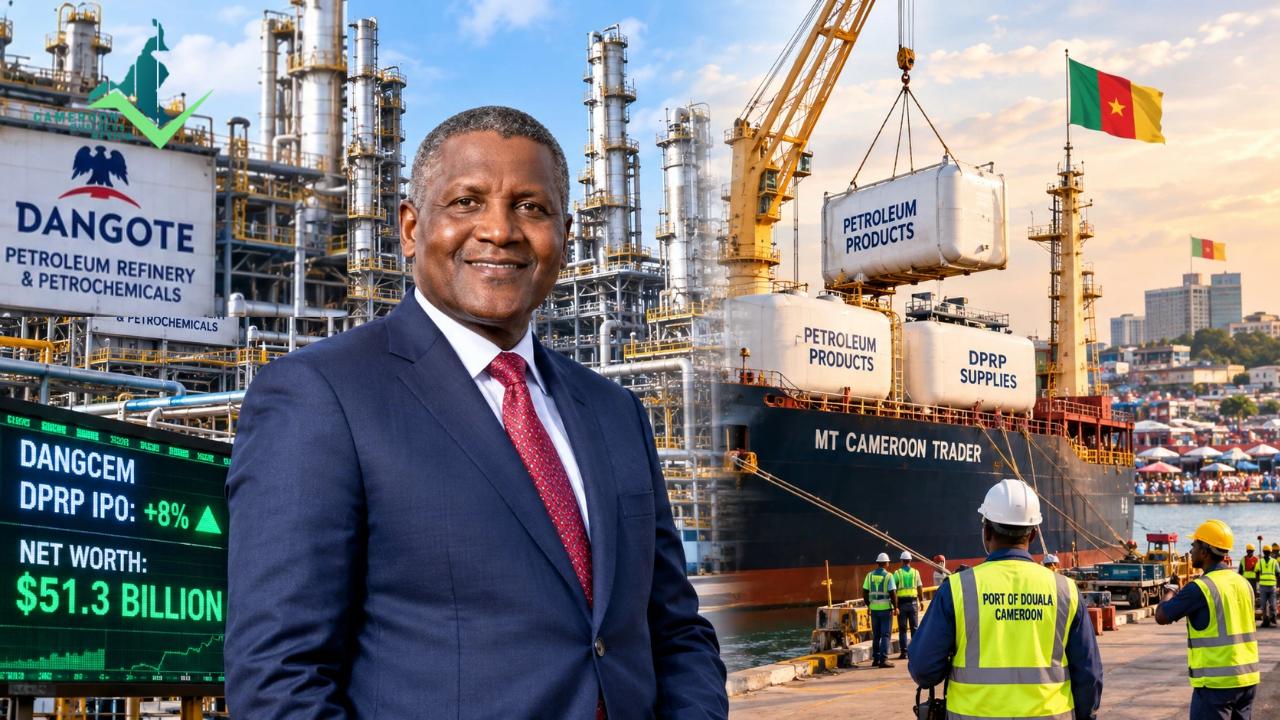
Nigeria’s capital market has entered a new phase with the public offering of shares in the Dangote Petroleum Refinery and Petrochemicals FZE.
The IPO opened on September 14, offering 4.1 billion ordinary shares at ₦525 each, with the potential to raise about ₦2.15 trillion if fully subscribed. The minimum subscription is 10 shares, or ₦5,250. The offer is scheduled to close on October 13. (Reuters)
The scale of the transaction has attracted attention well beyond Nigeria’s financial sector.
On September 16, former Anambra State governor and political figure Peter Obi publicly encouraged Nigerians at home and in the diaspora to participate in the offering after saying people had asked for his opinion on the investment. (Vanguard News)
Obi linked his support for the offer to his longstanding argument that Nigeria should increase productive investment rather than remain heavily dependent on consumption. He also called on other Nigerian businesses to consider public offerings that would allow citizens to own stakes in productive companies. (Vanguard News)
But beyond the political commentary, the Dangote Refinery IPO is creating a much bigger business story: can a major African industrial company bring millions of ordinary people into the capital market?
A ₦2.15 Trillion Offer
The numbers alone make the transaction unusual.
Dangote Petroleum Refinery is offering 4.1 billion shares at ₦525 each. At that offer price, the company has an implied market capitalisation of about ₦65.22 trillion, according to the Nigerian Exchange Group. (Nigerian Exchange Group)
The IPO is open to retail investors, institutional investors and eligible African investors.
The minimum entry point was deliberately kept relatively low:
Offer price: ₦525 per share
Minimum subscription: 10 shares
Minimum investment: ₦5,250
Shares offered: 4.1 billion
Target proceeds: about ₦2.15 trillion
Offer opened: September 14, 2026
Offer closes: October 13, 2026
The structure means an individual does not need millions of naira to participate.
That is part of what makes the offer significant for Nigeria’s capital market.
Why Peter Obi’s Comments Matter to the Business Story
Peter Obi’s comments have added another layer of public attention to an offer that was already attracting strong interest.
According to Vanguard, Obi said Nigerians had approached him about whether they should invest in the IPO. He responded by encouraging them to buy shares and praised Aliko Dangote’s investment in Nigeria’s productive economy. (Vanguard News)
He also used the opportunity to make a broader point: Nigerian businesses should consider opening ownership to citizens through public offerings.
That argument is separate from whether an individual investor should buy the Dangote shares.
For the Nigerian business community, the more interesting question is whether the transaction can encourage more companies to use the capital market to raise money while allowing Nigerians to become shareholders.
If that happens, the effects could extend beyond Dangote.
The Refinery Has Already Become a Major Industrial Asset
The IPO is taking place after a major change in Nigeria’s petroleum industry.
The Dangote refinery, located in Lagos, was built at a reported cost of around $20 billion and has a stated production capacity of 700,000 barrels per day. Reuters reported that the refinery is now operating at full capacity. (Reuters)
The company has also reported strong financial performance in 2026.
The Nigerian Exchange Group said the refinery generated approximately ₦19.47 trillion in revenue during the first half of 2026, with profit after tax of about ₦2.55 trillion. (Nigerian Exchange Group)
Those figures help explain why the IPO has generated so much attention.
However, past or current financial performance does not guarantee future returns for shareholders.
The refinery still operates in a volatile global oil market, while refining margins, crude supply, foreign exchange movements, operating costs and energy prices can affect future results.
What Will the ₦2.15 Trillion Be Used For?
The IPO is also about expansion.
Reuters reported that the proceeds are intended to support the refinery's planned expansion to 1.4 million barrels per day over the next three years. (Reuters)
That makes the transaction more than a change in ownership.
It is also a way of raising additional capital for a company that wants to increase its productive capacity.
This is an important feature of public markets.
Instead of depending entirely on bank loans or private investors, a company can raise capital from a much broader pool of investors.
For large African businesses, that model could become increasingly relevant as companies look for capital to expand factories, infrastructure and production capacity.
Nigeria’s Capital Market Is Being Tested
The Dangote Refinery IPO is also putting Nigeria’s financial infrastructure under pressure.
Reuters reported on September 17 that heavy investor demand overwhelmed several fintech investment platforms as Nigerians rushed to participate. Bamboo reported a tenfold increase in traffic within 30 minutes of the offer opening, while some platforms experienced outages. (Reuters)
That tells us something about how investment access has changed.
A decade ago, participating in a major public offering might have required a relationship with a traditional stockbroker and more familiarity with the capital market.
Today, banks, fintech companies and digital investment platforms are bringing these opportunities closer to retail investors.
The Nigerian Exchange Group said its infrastructure connects the offer to more than 100 distribution channels, including stockbrokers, banks, fintechs and other financial institutions. (Nigerian Exchange Group)
The technology is therefore becoming part of the capital-market story.
The "People's IPO" Comes With Investment Risk
The low entry price has made the offer accessible, but accessibility should not be confused with guaranteed returns.
The official IPO information states clearly that share prices can rise or fall after listing and that investors could lose some or all of their investment. Dividends are also not guaranteed. (The IPO for the People)
This is particularly important because the offer has attracted many first-time investors.
The Nigerian Securities and Exchange Commission has warned prospective investors to use only officially approved subscription channels and to read the approved prospectus before investing. It has also warned against unsolicited messages, social-media offers and requests for money through unauthorised channels. (SEC Nigeria)
The warning is timely.
High public interest can create opportunities for fraudsters to imitate legitimate investment platforms.
For anyone considering the offer, the basic rule is simple: verify before paying.
A New Test for Retail Investment
The biggest business question surrounding the IPO may not be whether the offer attracts attention.
It is whether the transaction creates a lasting increase in retail participation in Nigeria’s capital market.
Millions of Nigerians may be hearing about shares and public offerings for the first time.
If some of these new investors remain active after the Dangote offer, the effect could be broader than one refinery.
More retail participation could provide Nigerian companies with a larger domestic pool of capital when they eventually seek to raise funds through the stock market.
That would require continued investor education, reliable digital infrastructure and confidence in the market.
The Dangote offer is therefore also a test of whether Nigeria can turn public interest into sustained participation.
What It Means for Other African Businesses
There is a wider African angle to the transaction.
The Dangote Refinery IPO is one of the continent’s largest public share offerings and is opening ownership of a major industrial company to retail and eligible African investors. Reuters has described it as Africa’s largest-ever IPO by value. (Reuters)
For companies elsewhere in Africa, the example raises an important possibility.
Large African businesses do not necessarily have to depend entirely on international investors to finance expansion.
Domestic and regional capital markets can also become sources of growth capital.
But that requires companies that are large enough, transparent enough and financially structured enough to attract public investors.
It also requires exchanges that can handle large transactions and regulators capable of protecting investors.
Nigeria is now putting that entire system on display.
The Cameroon Connection
For businesses in Cameroon and the wider CEMAC region, the Dangote IPO is worth watching.
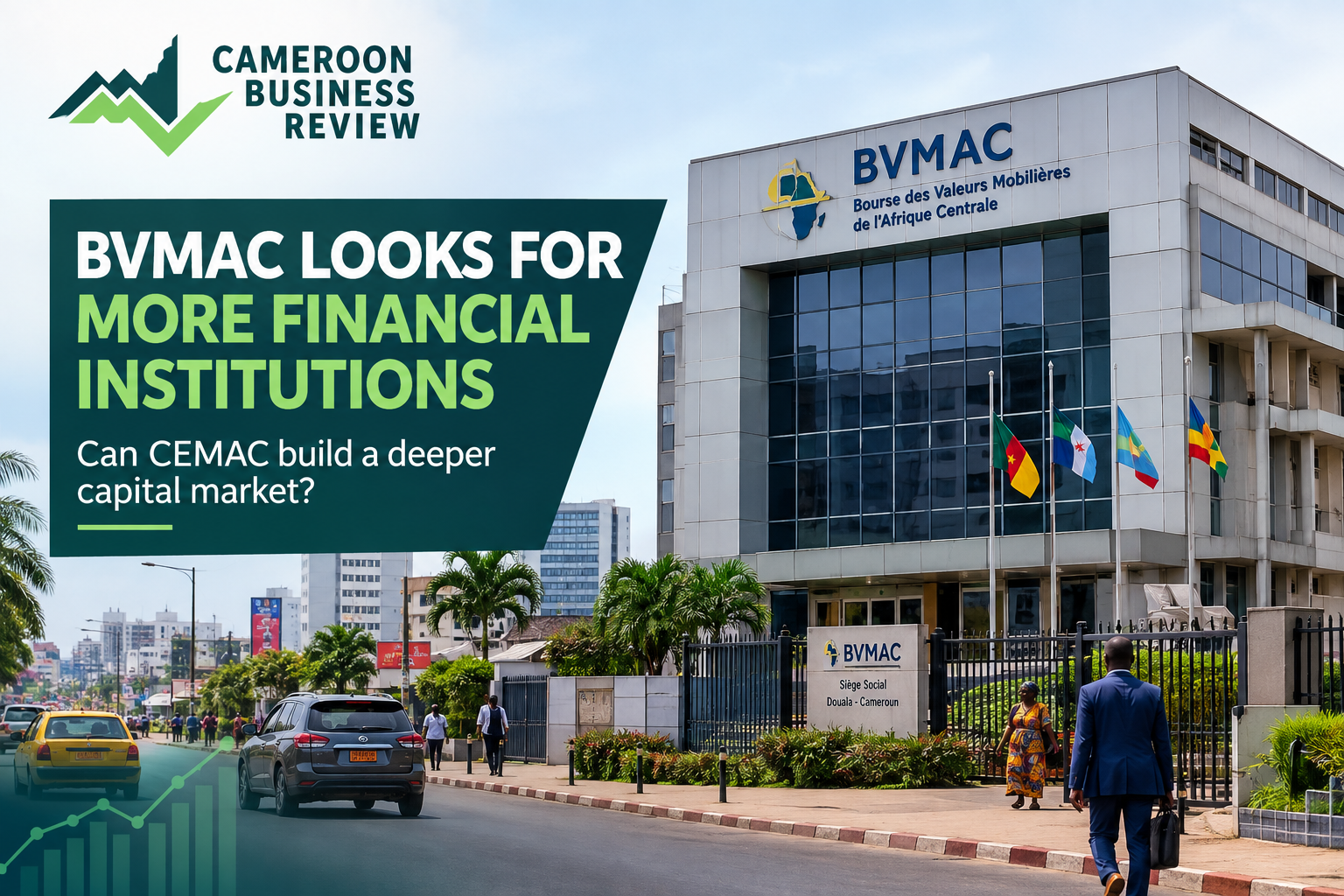
Cameroon has its own regional capital market through the BVMAC, and companies have increasingly explored bonds and other market-based financing instruments.
The Nigerian example highlights a different possibility: using the capital market not only to raise money from institutions, but also to broaden ownership among ordinary citizens.
For large Cameroonian companies considering expansion, public offerings could eventually become another financing route if the necessary scale, governance, disclosure and investor demand are present.
That does not mean every major company should list.
It does mean Africa’s capital markets are developing into a more important part of the financing conversation.
What Comes Next?
The immediate focus will be on the Dangote offer itself.
Investors will be watching:
Total subscription levels
Retail participation
Institutional demand
The final allocation of shares
The eventual listing and market performance
How the company deploys the capital raised
Progress toward the planned capacity expansion
The offer closes on October 13, while allotment and listing dates are yet to be confirmed on the official IPO information page. (The IPO for the People)
The market will then have to determine the value of the company through actual trading.
That will provide a different test from the excitement surrounding the initial offer.
Final Thoughts
The Dangote Refinery IPO is bigger than a share sale.
It is a test of Nigeria’s ability to connect a large industrial business with ordinary investors, digital finance platforms and the domestic capital market.
Peter Obi’s call for Nigerians to participate has added to the public conversation, but the investment decision ultimately remains an individual one. What can already be observed is the scale of interest, the pressure on digital investment infrastructure and the opportunity the transaction creates for broader participation in corporate ownership. (Vanguard News)
For the wider African business community, there is another lesson to watch.
Can African capital markets become a bigger source of funding for African companies — and can ordinary Africans become meaningful participants in the ownership of those companies?
The Dangote Refinery IPO may provide some of the clearest evidence yet.
Cameroon Business Review will continue tracking major developments across African capital markets, companies and investment.